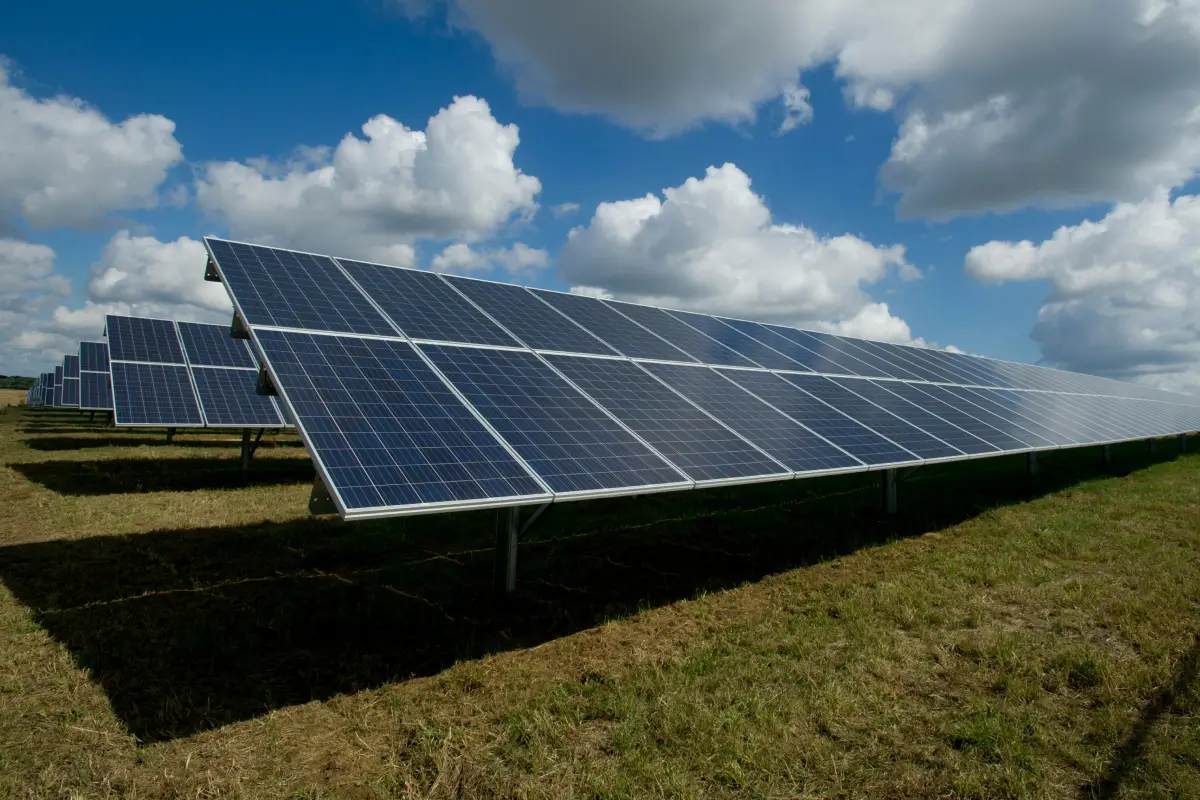
Advantages and Disadvantages of Solar Panels in Denmark
As more Danish households look for sustainable energy solutions, solar panels have become an increasingly popular choice. But are they the right investment for everyone? This article explores the key benefits and drawbacks of installing solar panels in Denmark, helping you make an informed decision based on the local climate, energy market, and long-term savings.
Advantages:
- Lower electricity bills: By generating your own power, you can significantly reduce your monthly energy costs.
- Green energy: Solar panels produce clean electricity and help reduce your carbon footprint.
- Government support: Various grants and incentives are available in Denmark to help cover installation costs.
- Long lifespan: Most solar panel systems last 25–30 years with minimal maintenance.
Disadvantages:
- High upfront cost: The initial investment can be significant, especially if you include battery storage.
- Weather-dependent: Solar energy production drops on cloudy days and during short winter days.
- Space requirements: You need enough roof or ground space to install a full system.
- Appearance: Some homeowners may not like how solar panels look on their roof.
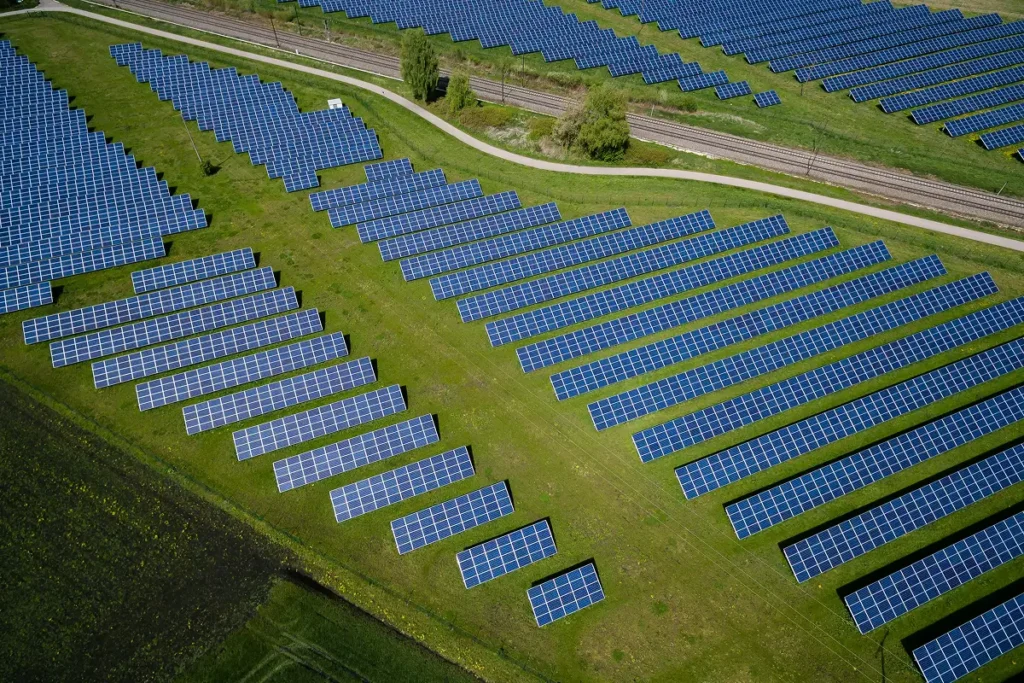
Conclusion
Solar panels offer a clean, cost-saving energy solution that aligns with Denmark’s commitment to sustainability. However, they’re not a one-size-fits-all option. Before investing, it’s important to weigh the financial benefits against the initial cost and practical considerations like roof space and local weather. With the right setup and planning, solar panels can be a smart long-term investment for many Danish homeowners.

How we work
- Lorem Ipsum
- Lorem Ipsum
- It has survived not only five centuries
Populære artikler

How to Maintain Your Solar Panels – A Simple Guide

How to Choose the Right Solar Panels for Your Home
How we work
Consider using this if you need to provide more context on why you do what you do. Be engaging. Focus on delivering value to your visitors.